

Structural engineering stands as a pivotal field fundamental to today's construction, blending creativity with technical expertise to design safe and functional spaces. What is the true essence of structural engineering? It is the branch of engineering that deals with the design and analysis of buildings that support or resist loads, ensuring that buildings, bridges, and other infrastructures can bear different loads while meeting aesthetic and functional needs. For those seeking to grasp the intricacies of this field, traversing its intricacies can be daunting, yet fulfilling.
As we advance into the 21st century, technology is playing an enhanced role in transforming structural engineering. From cutting-edge software tools that facilitate intricate design to new materials that improve sustainable practices, the field of structural engineering is transforming quickly. This shift is redrawing global skylines but also changing the collaboration between structural engineers and architects and tackling issues like public safety, disaster response, and restoration of historic structures. All these innovations point to a future where structural engineering will persist in its evolution and adaptation to society's dynamic demands.
Understanding Structural Design
Structural design is a specialized field within civil engineering that centers around the design and analysis of structures to ensure they can safely support the loads and forces they experience. This discipline encompasses a variety of structures, from edifices and crossings to underground passages and dams. Structural engineers are tasked with evaluating how these structures will react to multiple stresses, ensuring they are both operational and safe under different conditions, including natural forces like gale and ground shakings.
One of the primary duties of structural contractors is to create load-bearing frameworks that can spread loads effectively. They apply principles from mechanics and materials science to identify the appropriate materials and blueprints that will support a structure's mass while also considering risk assessments. This comprises calculating loads from occupants, furniture, ice, and other external influences, allowing engineers to innovate and implement design strategies that enhance overall structural integrity.
As advancements continues to progress, the role of structural engineering is changing. Tools like 3D visualization and replication software are becoming more crucial, allowing engineers to envision their designs more effectively and make informed decisions during the construction process. Moreover, the focus on green practices is leading to the embracing of environmentally friendly materials and methods, reshaping how structures are designed and built, and laying the groundwork for future advancements in the field.
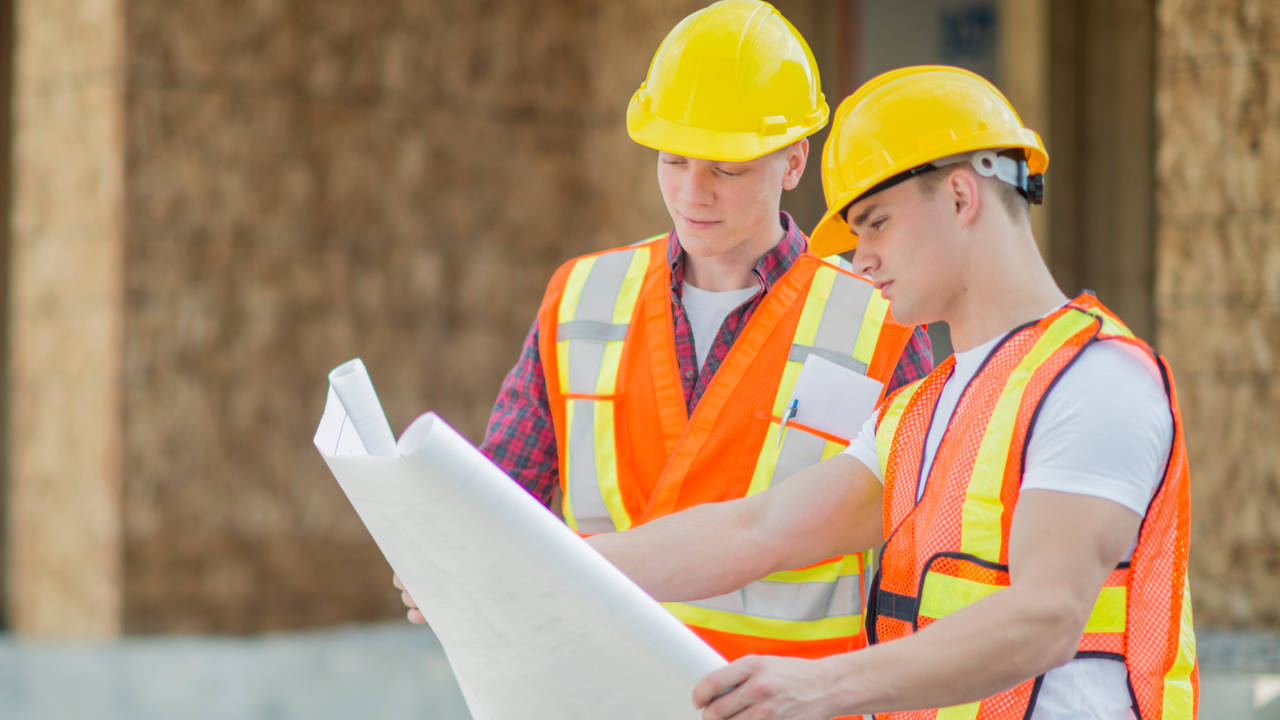
The Effect of Tech on Structural Design
Improvements in technology have drastically transformed the landscape of structural design, improving the way engineers approach projects. With Go to this website of sophisticated design programs, structural engineers can now create precise 3D models that mimic how buildings will react to multiple stresses and environmental conditions. This allows for a deeper in-depth study of materials and structural integrity, yielding more secure and streamlined designs. The integration of Building Information Modeling (BIM) has also enabled better teamwork among architects, engineers, and builders, ensuring that every aspect of the construction process is integrated.
Furthermore, technology has enabled the adoption of innovative materials that can endure greater loads while being more lightweight and long-lasting. High-performance concrete, advanced steel alloys, and composite materials are just a small examples of how modern engineering is expanding the frontiers of structural design. These materials support sustainability efforts, allowing for buildings that reduce environmental footprint without compromising on strength or safety. The ability to test these materials virtually before real-world implementation adds another layer of reliability and efficiency to the design process.
Finally, data analytics and artificial intelligence are becoming pivotal in predictive modeling, assisting engineers foresee potential structural issues before they occur. By analyzing historical data and performance patterns, engineers can better grasp how structures function under stress, leading to designs that are essentially more resilient. This forward-thinking approach not only improves safety but also creates smarter infrastructure that can respond to changing environments over the years, emphasizing technology's essential role in the future of structural engineering.
Future Trends in Structural Engineering
As we look toward the future, technology will continue to play a crucial role in revolutionizing structural engineering. One of the most promising trends is the increased integration of AI and machine learning. These technologies are enhancing the design and analysis processes, allowing engineers to model complex structural behaviors more accurately and effectively. Predictive analytics can also assist in identifying possible problems before they arise, guaranteeing that structures can be designed for longevity and safety.
Another key trend is the emphasis on sustainability and green building practices. As Click to find out more become more pressing, structural engineers are increasingly tasked with developing new ways to reduce waste and improve energy efficiency. This includes employing sustainable materials, enhancing building designs for natural illumination and ventilation, and adopting practices that fulfill or surpass certification standards for eco-friendly buildings. Such initiatives not only support the planet but also lower long-term operational costs for building owners.
Finally, the embrace of cutting-edge construction technologies, such as 3D printing and modular construction, is poised to transform the landscape of structural engineering. These methods allow for quicker construction times and the potential for more intricate designs, which were once unattainable. The rise of smart materials, which can adapt to environmental changes, will also allow structures to respond dynamically to their surroundings, enhancing both security and performance. Collectively, these trends indicate a future where structural engineering will be more effective, sustainable, and creative than ever before.