

Your furniture plays a central part in the aesthetic and coziness of your house. On the other hand, with time, upholstery can gather dirt, stains, and odors that lessen its visual appeal and negatively impact indoor air quality. Restoring your furniture through proper upholstery cleaning can completely change the appearance and feel of your home. Regardless of whether you are a house owner looking to preserve your beloved couch or a business owner wanting to impress on clients, understanding the ins and outs of upholstery cleaning is essential.
In this resource, we will provide specialist tips and methods suitable for both home improvement fans and those considering outsourcing cleaning services. From identifying typical stains and choosing the suitable cleaning products to learning about the benefits of regular maintenance, we address all you need you ought to understand. You will discover how to keep your upholstery in pristine condition, how frequently to wash it, and plus some eco-friendly approaches to ensure a safe environment for you and your family. Let’s explore the definitive guide to upholstery cleaning for homeowners and find out how to prolong the lifespan of your pieces of furniture while boosting the overall atmosphere of your home.
Crucial Furniture Cleaning Methods
Upholstery care starts with determining the type of fabric involved. Various types call for different maintenance methods and solutions to protect against damage. As soon as you've identified the fabric kind, check for specific particular cleaning recommendations from the supplier, as it will direct your cleaning routine.
For routine maintenance, begin with thoroughly vacuuming your upholstery thoroughly to take away dirt, dirt, and animal hair, making sure to use the correct attachment to prevent snagging the material.
For spot cleaning, create a cleaning mixture that is suitable for the material. A mix of mild dish soap and warm water is typically helpful for a majority of materials. Perform a test on the solution on a less visible area prior to check for negative effects. When applying the cleaning mixture, use a gentle cloth, working from the edge of the stain toward the middle to stop smearing. Carefully dab rather than rub, as this can harm the fabric threads. Rinse with a clean cloth dampened with water to remove all soap remnants.
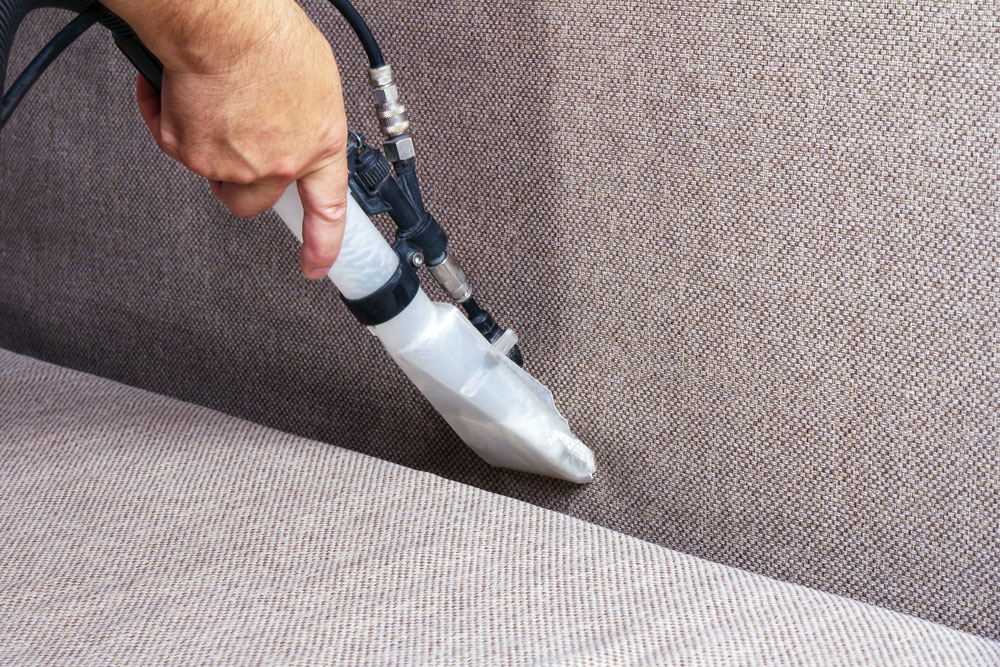
For deeper cleaning, evaluate steam cleaning or dry cleaning according to the fabric's requirements. https://telegra.ph/From-Filth-to-Sparkle-The-Ultimate-Upholstery-Cleaning-Guide-09-17 involves heated vapor to remove grime and blemishes, while dry cleaning employs using chemical solutions that do not need water. If opting for expert services, be sure to articulate the specific needs of your couch to make certain that the suitable method is applied. Regular cleaning will greatly prolong the durability of your couch and maintain it looking clean.
Common Stains and Removal Techniques
Upholstery is often subjected to a number of spots, but understanding how to deal with them can make a significant difference in the total look of your furniture. Common stains consist of food stains, pet accidents, and dirt. For food spills, it is important to respond promptly. Dab the spot with a fresh cloth to absorb as much of the spill as you can, then use a mixture of mild dish soap and water to carefully clean the spot. Rinse the area with a damp cloth and dab again to eliminate any soap remnants.
Pet stains can be particularly difficult, but they can be managed with the appropriate method. Start by blotting the spot with a paper towel to absorb excess moisture. Use a solution of clear vinegar and water, applying it to the damaged area and letting it sit for about 15 minutes. After this, blot the spot again and use a pet odor eliminator if necessary to eliminate any lingering smells. This approach helps not just in taking away the spot but also in removing foul smells associated with animal issues.
For mud stains, the optimal method is to allow the soil to dry completely before attempting to remove it. Once hardened, gently remove off any excess mud with a blunt knife or spoon. Next, vacuum the area thoroughly to pick up remaining debris. For any remaining stains, a mixture of H2O and mild detergent can be used. Apply it carefully and avoid soaking the material. This approach helps maintain the integrity of your upholstery while efficiently removing dirt.
Maintaining Guidelines for Residents
Maintaining clean furniture not only boosts the appearance of your sofas but also prolongs its life. One of the key strategies is to implement a regular cleaning schedule. Cleaning upholstery once a week helps to remove dust, dirt, and allergens that can build up over time. Make sure to use a vacuum attachment designed for fabric to avoid injuring the upholstery. Additionally, immediately upholstery cleaning service spills and stains to keep them from becoming permanent. A gentle patting method is better; simply use a clean, dry rag to take in the spill without scrubbing, which can move the stain.
In selecting cleaning products, it is essential to choose those that are suitable for the exact type of fabric. Always conduct a test in an unnoticeable area beforehand to make sure that the product does not lead to fading or damage. For basic cleaning, a mixture of gentle detergent and water often works successfully; however, for stubborn stains, look for upholstery cleaners specifically designed for the specific material. Green products are also a fantastic choice for those looking to reduce their use of harsh chemicals while still effectively cleaning their upholstery.
Finally, keep in mind using guardians after cleaning to help keep away stains and make next cleaning easier. Frequent application of these products can significantly reduce the necessity for intensive cleaning sessions. Additionally, knowing when to call in professionals is key. While DIY methods can be effective, difficult stains or priceless pieces may benefit expert treatment, ensuring your upholstery continues in top-notch condition for years to come.