

Structural engineering is a compelling area that sits at the intersection of design, safety, and progress. It is the core of contemporary building practices, transforming ambitious concepts into tangible structures that adorn our cities and environments. From towering skyscrapers to expansive overpasses, the work of structural engineers is vital in ensuring that these marvels of architecture not only withstand the ages but also provide security and utility for their designed uses. As we explore the life cycle of a structural engineer, we will delve into their function in various projects and how they handle the distinct obstacles that each endeavor presents.
The pathway of a structural engineer begins long before the initial block is laid. These experts are involved from the initial concept phase, working intimately with designers and other specialists to ensure that the concept is both visually appealing and safe and stable. Throughout the building phase, these professionals employ their expertise to address loads, pressure, and external influences, ensuring that every building or infrastructure undertaking not only meets existing regulations but is also prepared for upcoming requirements. As we investigate the various aspects of the engineering discipline, we will analyze the important function these engineers play in shaping the built environment, the advancements that are pushing the industry forward, and the directions that will shape the future of the profession.
Grasping Structural Engineering
This branch of engineering is a branch of civil engineering focused on the architecture and assessment of structures that hold up or counter loads. This field encompasses a wide range of structures, including edifices, overpasses, skyscrapers, and other constructions. Professionals in this field apply theories of physics and materials science to ensure that structures are stable, steady, and able of withstanding various stresses, such as gravitational force, wind, and earthquakes.
In the modern development landscape, the role of structural engineers has become progressively critical. They partner closely with builders and other specialists to convert design concepts into actual structures. This teamwork ensures that visual concepts meet security and practicality requirements. Structural engineers use sophisticated tools and methods to evaluate the soundness of designs, often employing software for spatial representation to visualize and examine complex designs before building begins.
As the field evolves, structural engineering continues to respond to new issues and advancements. Check out this site is a increasing focus, with engineers applying sustainable building techniques that minimize environmental impact. Additionally, advancements in materials and technology are leading to creative designs and enhanced safety measures, ensuring that structures not only satisfy current requirements but are also ready for future demands.
The Importance of Structural Engineers
Engineers specializing in structures play a key role in the construction industry , ensuring that structures, bridges , and various structures are secure, stable , and capable of withstanding natural elements. They are responsible for designing the skeleton that supports a structure, making calculations to determine how much load it can bear, and evaluating various load scenarios. Their knowledge is crucial to prevent structural failures , which can have severe consequences for security and operability.
In partnership with architects and other professionals, structural engineers add value to the initial design process , bringing a technical perspective that influences the complete appearance and functional aspects of a project. They evaluate inputs, techniques, and new technologies to create innovative designs that not only meet regulatory requirements but also fulfill the client's goals. Their ability to balance strength, cost, and sustainability is essential in modern construction projects.
Moreover , structural engineers are essential to maintaining public safety . They adhere to rigorous building codes and regulations, conduct inspections , and engage in ongoing evaluations of structures throughout their lifecycle . Their work also extends to developing infrastructure, aiming to enhance the strength of communities against natural disasters and ensure that essential services remain operational in crises. This multifaceted role underscores the value that structural engineers bring to modern construction and urban planning .
Innovations and Emerging Trends
The future of structural engineering is marked by a wave of innovations that are revolutionizing the construction landscape. Advanced materials such as high-performance concrete, carbon fiber composites, and smart materials are enhancing the stability, durability, and flexibility of structures. These materials not only allow for innovative designs but also play a role to sustainability by reducing waste and boosting energy efficiency. As the demand for sustainable buildings increases, the adoption of eco-friendly practices in the field will be even more crucial.
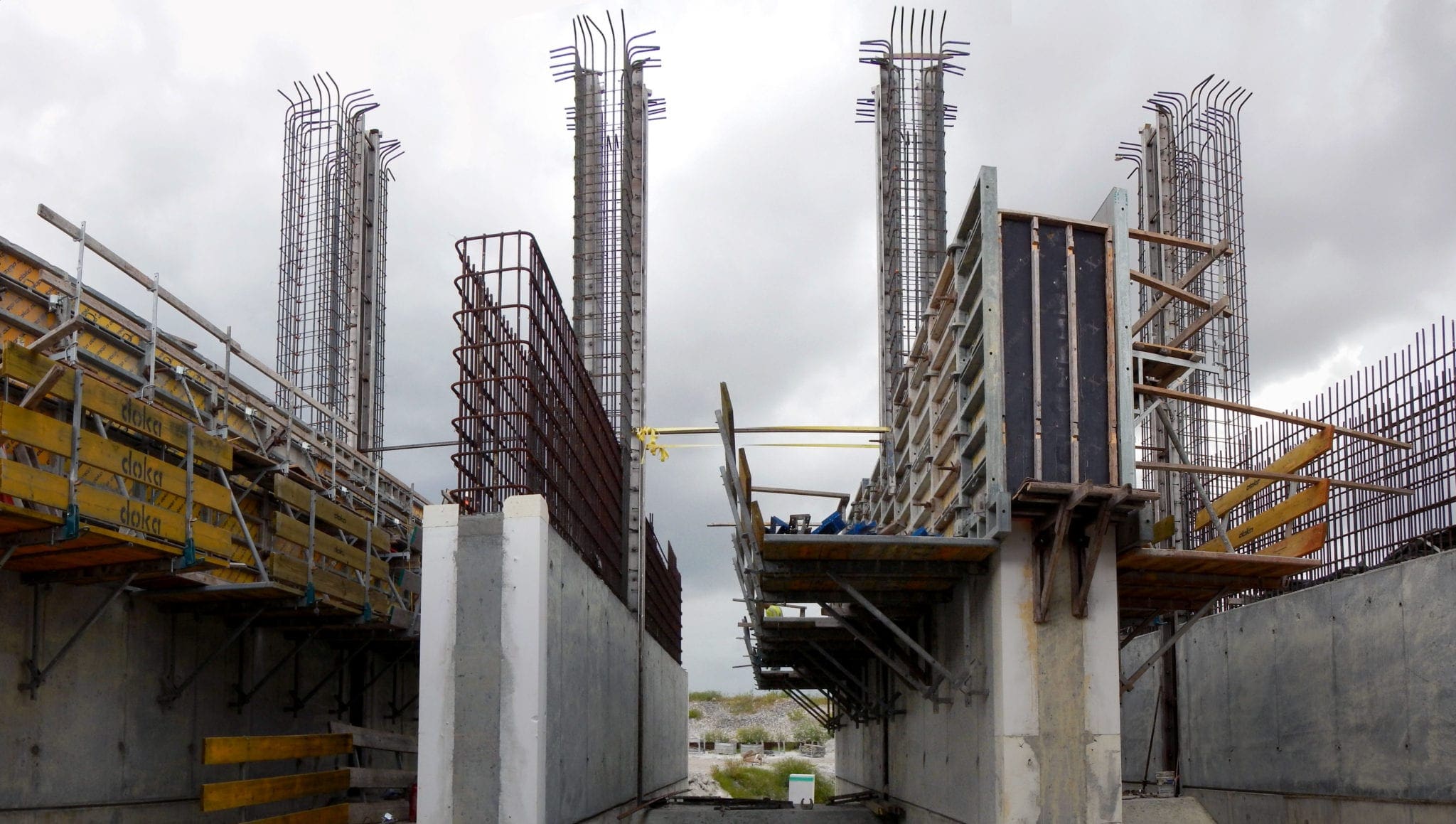
In the last few years, the adoption of technology in structural engineering has advanced significantly. Tools such as Building Information Modeling (BIM) and 3D modeling software enable engineers to visualize projects in detail. These technologies facilitate collaborative workflows, enhance precision in designs, and allow for seamless adjustments throughout the construction process. Additionally, drones and robotic systems are being employed for surveying and inspection, ensuring safety and efficiency while reducing human error.
Looking ahead, the role of data analytics and artificial intelligence will expand in structural engineering. Engineers will utilize big data to predict structural performance and optimize designs based on live simulations. The focus will also shift toward resilience, with structural engineers increasingly tasked with designing buildings that can endure extreme weather events, natural disasters, and climate change effects. As these advancements take root, they promise to redefine the future of structural engineering and its impact on urban development.