

Being an owner operator, you don multiple hats and are in charge of the smooth operation of your semi-truck. One of the key aspects to consider is your tire selection. The correct tires not just ensure safety on the road but also affect gas mileage, performance, and general performance. With a variety of options available, understanding what makes one tire more appropriate for your needs than another is crucial for optimizing your investment and holding your advantage.
In this piece, we’ll examine what each owner-operator should be aware about tires for your truck. From choosing the best brands for extended hauls to identifying signs that it’s time for a replacement, we will address a variety of subjects that are necessary for making smart choices. You’ll learn how tire choice can influence fuel efficiency, the importance of ensuring proper tire pressure, and how climate can impact tire performance. Whether you're a veteran driver or new to the industry, understanding these factors will assist you ensure your vehicle secure and effective on the road.
Choosing the Right Tires
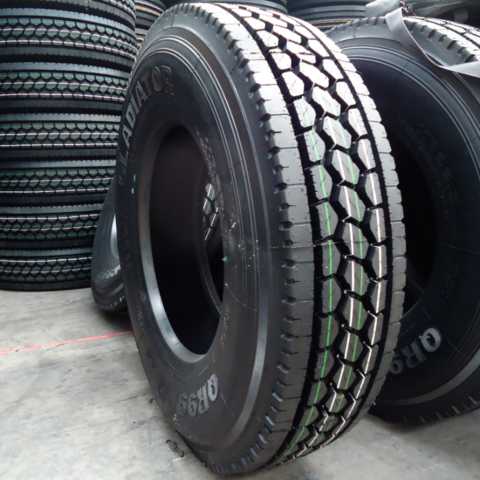
Opting for the appropriate tires for your semi-truck is vital for functionality, security, and efficiency. Begin by assessing follow this link considering your cargo type and the roads you commonly travel. Different loads and driving conditions require varied tire characteristics, such as tread layouts and rubber formulations. For prolonged journeys, for instance, you may emphasize fuel economy and wear durability, while rugged or regional haulers may need tyres engineered for robustness in difficult environments.
Load capacities also play a major role in tire choice. Each tire has a maximum load threshold printed on its sidewall, which you must adhere to for safe operation. Fitting tyres that cannot accommodate your truck's weight can lead to premature wear and dangerous blowouts. Additionally, take into account the climate and typical meteorological situations you experience throughout your routes. Year-round tires may suffice for moderate climates, but if you frequently navigate snow or icy roads, buying winter tires could greatly enhance traction and safety.
Finally, don’t disregard the necessity of tire inflated levels and maintenance. Correct inflation is essential for enhancing tire life and fuel performance. Frequent inspections before trips can help detect potential issues, like uneven degradation or damage, which could weaken performance. Taking the effort to select the right tyres and maintaining them correctly will result in more secure travels and decreased operational costs for your semi-truck.
Tire Management and Oversight
Consistent tire care is essential for guaranteeing the safety and durability of heavy-duty tyres. Accurate tyre pressure must be checked consistently, as incorrect inflation can lead to increased wear, lowered fuel efficiency, and even tire failures. Utilizing semi-truck tires Montreal monitoring system (TPMS) can help keep track of tire inflation levels and alert drivers of any issues. Additionally, qualified balancing and alignment tasks are necessary, as they prevent uneven wear patterns, which can significantly diminish tire life.
Scheduled inspections before each trip are vital for identifying signs of damage and defects. Operators should look for any visible cracks, blisters, or debris lodged in the tread that could compromise the tyre's integrity. Checking the tread is equally important, as insufficient tread can severely affect traction and braking performance, especially under varying weather conditions. Keeping records of tyre conditions and performance can aid in pinpointing recurring problems and inform decisions about tyre replacements or adjustments to inflation management.
Finally, knowing and adhering to load ratings and DOT regulations is essential to trying manage tyres effectively. Excessive loading can lead to too much strain on tires, raising the likelihood of malfunction. Keeping abreast of sector standards regarding tyre care and maintenance will not only enhance security but can also lead to substantial cost savings in the future. Establishing a detailed tyre maintenance program is an investment that pays off through enhanced performance and fewer road incidents.
Advanced Tire Technologies
The progress of commercial truck tires has led to the development of advanced technologies that boost security, efficiency, and durability. Smart tire systems equipped with devices monitor tire inflation, temperature, and tread in live. This data can be relayed to the operator or fleet administrator, enabling for preventive care and lowering the chance of tire failures. Such innovations not only enhance safety but can also refine path planning based on tire performance.
Another notable development is the use of eco-friendly materials and production processes. Many tire manufacturers are now concentrating on environmentally-friendly practices, creating tires that employ recycled materials while also boosting fuel economy. These eco-friendly tires often come with low rolling resistance, contributing to lower fuel consumption and reduced emissions. As more trucking companies seek to comply with environmental regulations, these advanced tire options are increasingly important.
Finally, re-tread technology has seen significant improvements, allowing for the recycling of tires while maintaining high performance. Modern recapping processes apply improved rubber compounds and advanced molding techniques, which certify retreaded tires can meet the needs of long-haul transportation. This not only prolongs the life of tires but also provides a cost-effective option for managing tire expenses in a fleet. Adopting these advancements can lead to substantial operational advantages for owner-operators and fleet supervisors alike.